
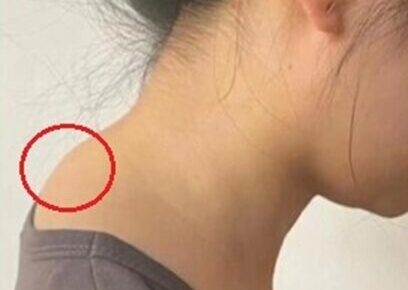
A Dowager’s hump, also known as thoracic hyper-kyphosis or postural kyphosis, is a forward rounding of the upper back often seen in older adults, particularly women. It may result from poor posture, spinal degeneration, osteoporosis, or muscle imbalance. Over time, this curvature can cause pain, stiffness, and reduced mobility, and may affect confidence in appearance. A combined approach using physiotherapy, osteopathy, and acupuncture can effectively address both the structural and functional aspects of this condition.
Physiotherapy
Physiotherapy focuses on restoring movement, posture, and muscle balance. Through manual therapy, stretching, and joint mobilization, physiotherapists help improve flexibility and relieve muscle tension. Targeted strengthening exercises for the upper back, shoulder stabilizers, and deep neck flexors are used to support the spine’s alignment and reduce curvature. Education on posture, ergonomics, and lifestyle habits helps patients maintain long-term improvements and prevent further progression.
Osteopathy
Osteopathy complements physiotherapy by taking a holistic approach to restoring alignment and balance throughout the body. Osteopaths use gentle manual techniques—including soft tissue release, joint mobilization, and muscle energy techniques—to improve mobility, relieve strain, and enhance circulation. Treatment focuses on the spine, ribs, and neck, areas often affected by postural compensation, promoting natural alignment and ease of movement.
Acupuncture
Acupuncture works to reduce tension and pain while promoting better energy flow. From a traditional Chinese medicine perspective, chronic tightness in the neck and upper back can result from stagnation along the spine’s meridians. Acupuncture helps relax tight muscles, reduce inflammation, and improve circulation, supporting the body’s natural healing response.
Combined Benefits
When used together, physiotherapy, osteopathy, and acupuncture offer a comprehensive and natural approach to managing Dowager’s hump. Physiotherapy corrects muscle imbalance and posture, osteopathy enhances spinal alignment and mobility, and acupuncture relieves pain and tension. This integrative care promotes better posture, reduces discomfort, and helps restore confidence in movement.
Conclusion
Dowager’s hump reflects underlying structural and muscular imbalance, but with the right combination of therapies, it can often be improved. Physiotherapy, osteopathy, and acupuncture work together to restore alignment, ease pain, and support long-term spinal health—helping patients stand taller and move more comfortably.
If you need more information, our great team is here to help you. Please don’t hesitate to reach out to us! Book online or call at (905) 257 – 5888.